
From Piedmont to Tuscany, six wineries explain what the 2026 growing season reveals about the future of Italian viticulture.
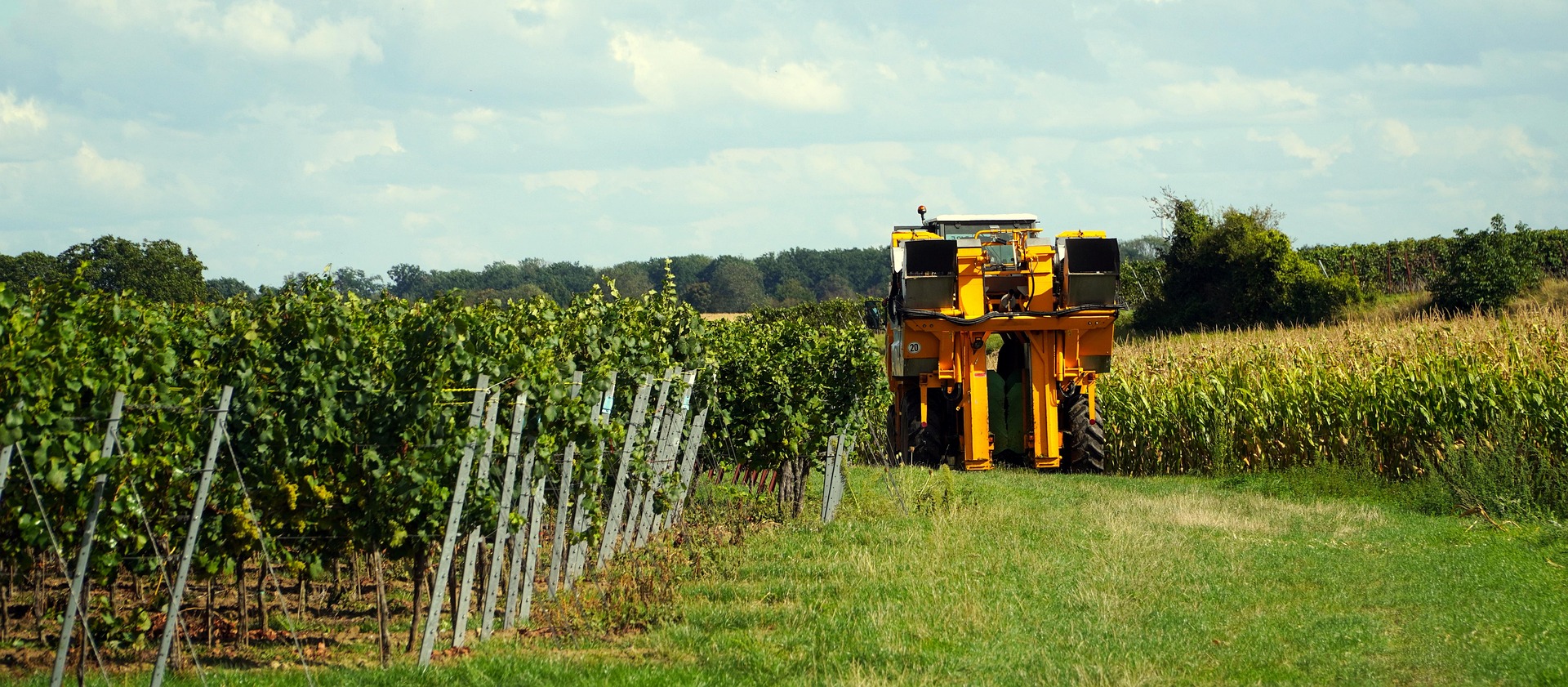
If there is one phrase that has become increasingly common in Italian wineries over the past decade, it is “the harvest is earlier than usual.” What was once considered an exception is gradually turning into a recurring pattern. The 2026 vintage appears to confirm this trend, with growers across several of Italy’s most important wine regions preparing to pick grapes days—or even weeks—ahead of historical averages.
Yet an earlier harvest is only part of the story. Timing is the visible consequence of broader changes taking place in the vineyard: warmer temperatures, shifting rainfall patterns and the growing importance of precise canopy management. At the same time, many producers point out that earlier ripening does not automatically translate into lower quality. In fact, provided that vineyards retain sufficient water reserves and grapes remain healthy, an early vintage can deliver wines with remarkable balance and definition.
The first assessments from six wineries—Fontanafredda in the Langhe, Montina in Franciacorta, Le Vigne di Zamò, Le Monde and La Ponca in Friuli-Venezia Giulia, and Colombaio di Cencio in Chianti Classico—offer an interesting snapshot of how Italy’s vineyards are responding to another unusually warm growing season.
Langhe: an early start built on healthy vineyards
At Fontanafredda, one of the historic estates in the Langhe, harvest has already begun with grapes destined for Alta Langa sparkling wine. According to winemaker Giorgio Lavagna, picking is expected to be seven to ten days earlier than last year.
Winter and spring rainfall created favourable conditions for vine growth and fruit set, while the sustained heat of recent months accelerated ripening. Quantity, however, remains dependent on August weather. Continued dry conditions could reduce berry size and overall yields, whereas timely rainfall would allow further development of the fruit.
Quality, on the other hand, inspires confidence. Healthy grapes and balanced vine growth suggest excellent potential despite the uncertainties that still lie ahead.
Franciacorta: smaller volumes, cautious optimism
In Franciacorta, the season has also advanced significantly. Michele Bozza, President of Montina, expects harvest to begin between 10 and 13 August at the estate, although vineyards in the south-eastern part of the appellation may start several days earlier.
The region has experienced temperatures well above seasonal averages, together with localized hail events that are likely to reduce production by an estimated 10 to 18 percent. While the final quality assessment will depend on the coming weeks, the vineyards remain in good sanitary condition.
For sparkling wine producers, harvest timing is particularly critical. Picking decisions are based not only on sugar accumulation but also on preserving acidity and freshness, both essential for the style and longevity of Franciacorta wines.
Friuli: canopy management proves its value
In the Colli Orientali del Friuli, Le Vigne di Zamò expects harvest to begin between 10 and 16 August, starting with Sauvignon Blanc before moving to Pinot Grigio and Chardonnay.
Winemaker Nicola Zamò credits early vegetative growth to a mild winter, while water reserves accumulated in the soil have sustained vigorous canopies capable of protecting grape clusters from excessive sun exposure. Dry weather has also kept fungal disease pressure remarkably low, allowing fewer vineyard treatments throughout the season.
One particularly interesting aspect has been the use of rock dust, applied to reduce sunburn damage on leaves and grapes during periods of intense heat. Production is expected to remain close to average, with very encouraging quality prospects. Moderate rainfall during the second half of August would further benefit the ripening of red varieties.
Two Friulian terroirs, two different responses
Le Monde, located in the Grave del Friuli, and La Ponca, in the Collio, provide an instructive comparison of how local conditions shape vineyard resilience.
Both estates experienced high temperatures and accelerated vine development. However, hailstorms affected Le Monde’s vineyards, reducing expected yields, while La Ponca escaped severe weather entirely. There, the distinctive ponca soils—a layered mix of marl and sandstone typical of the Collio—have helped maintain adequate water availability despite prolonged heat.
Harvest is expected to begin during the third week of August, broadly in line with previous years. Both wineries report excellent grape health and a promising balance between sugar ripeness, acidity and aromatic development. Le Monde anticipates lower volumes but wines with strong concentration and personality, while La Ponca expects another vintage capable of expressing the elegance and precision for which its vineyards are known.
Chianti Classico: steady despite the heat
Further south, in Tuscany, Colombaio di Cencio is observing a slightly earlier vintage, with véraison occurring seven to ten days ahead of the historical average.
According to CEO Michele Contartese, the warm, relatively dry summer has not caused significant vine stress thanks to water reserves accumulated during spring. Production is expected to remain consistent with recent vintages, while quality currently appears promising, although the decisive weeks of ripening still lie ahead.
For Sangiovese, perhaps more than for many other varieties, the final stages of maturation often determine the character of the vintage, making September weather particularly influential.
Earlier doesn’t necessarily mean poorer
Looking across these diverse regions, several common themes emerge. Higher temperatures have accelerated vine development almost everywhere, but adequate winter and spring rainfall has so far prevented severe water stress in many vineyards. Growers increasingly rely on careful canopy management, precise harvest timing and site-specific viticulture rather than reacting solely to calendar dates.
Production may be slightly lower in some areas due to hail or smaller berries, yet the overall outlook remains surprisingly positive. Healthy fruit, balanced acidity and favourable sanitary conditions are recurring observations across all six wineries.
The real question may no longer be whether harvest is becoming earlier. Instead, producers are learning how to redefine “normal” under evolving climatic conditions. Adaptation is replacing exception, and viticultural decisions are becoming increasingly dynamic as growers respond to changing weather patterns rather than historical averages.
If these first impressions hold true, the 2026 vintage could become another example of Italian wine’s remarkable capacity to adapt—showing that an earlier harvest, by itself, says little about the quality ultimately found in the bottle.
