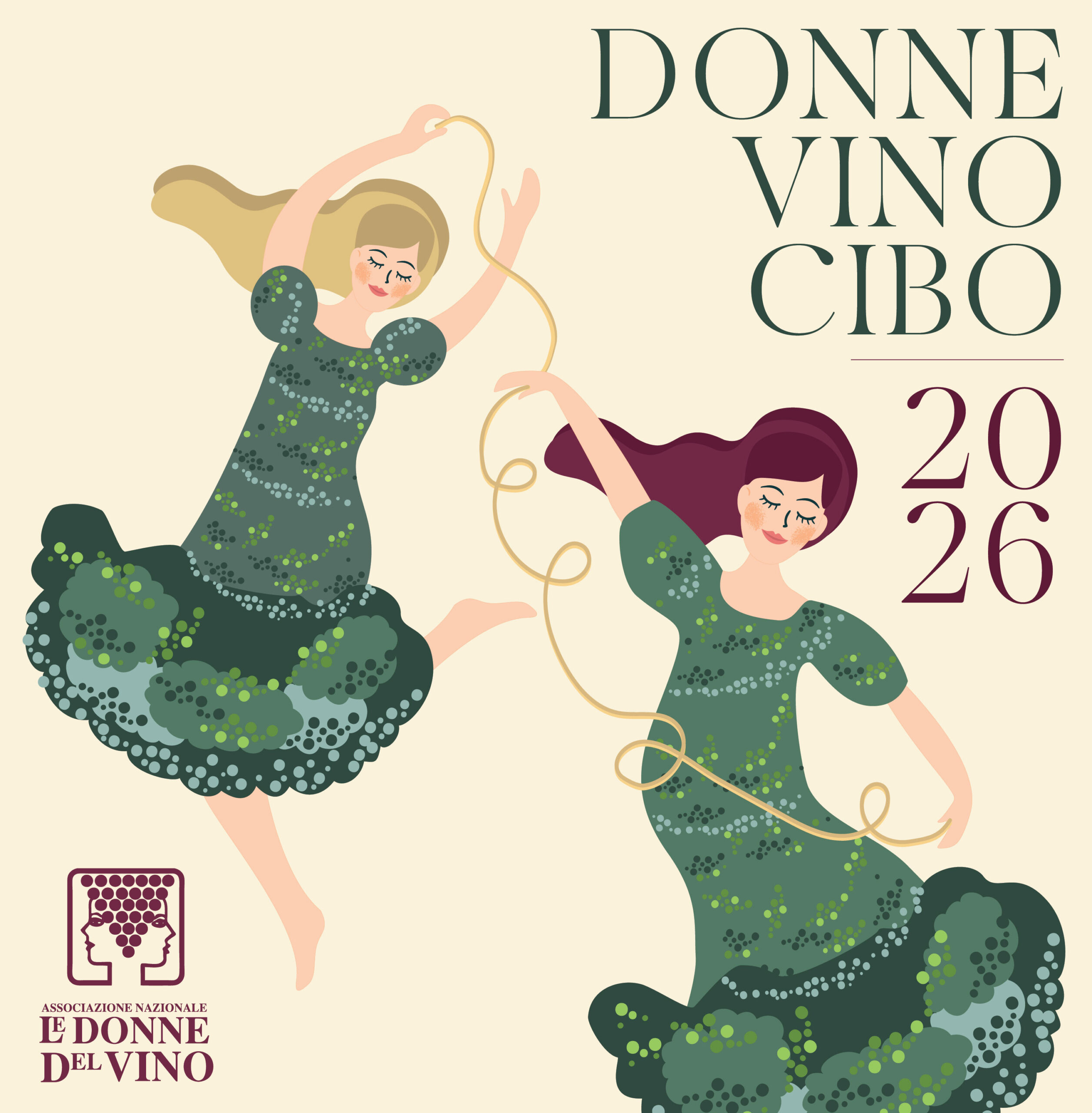


From tastings to debates and social storytelling, the national initiative by the Women of Wine Association celebrates culture, sustainability, and female leadership in the wine sector
The 11th edition of the Donne del Vino Wine Days or Le Giornate delle Donne del Vino has officially begun, bringing together wine professionals, producers, and enthusiasts across Italy. Organized by the National Association Women of Wine, the initiative runs until March 15 and features a rich program of wine tastings, discussions, roundtables, and cultural events in multiple Italian regions.
The 2026 theme — “Women, Wine, Food” — highlights the deep connection between gastronomy, wine culture, and social responsibility.
The event takes place each year around International Women’s Day, celebrating the growing role of women throughout the wine industry while promoting dialogue around sustainability, food culture, and community development.
Food Beyond Gastronomy: A Global Responsibility
In a historical moment marked by geopolitical tensions and growing concerns over resources, access to food has become a topic that goes far beyond gastronomy.
Today, food represents nutrition, survival, and a fundamental human right, but also a fragile balance between territories, economies, and communities.
“In such a delicate international moment, talking about food means talking about rights, responsibility, and the future,” says Daniela Mastroberardino, President of the National Association Women of Wine.
“For us, ‘Women, Wine, Food’ is not just a cultural theme but a vision: placing quality, sustainability, and care for communities at the center as a concrete response to today’s global challenges.”
Food tells the story of territories and traditions. Together with wine, it preserves knowledge, strengthens cultural identity, and plays a central role in the growth of wine tourism and local economies.
But today the conversation cannot stop at conviviality. It must also address equity, access to resources, and sustainable production models, encouraging new ways of thinking about how food and wine are produced, distributed, and shared.
A Collective Social Media Storytelling Project
Alongside events held across the country, the association has also launched a nationwide digital storytelling initiative.
Members of Women of Wine have been invited to take part in a visual project interpreting the theme “Women, Wine, Food.” Each participant will share a photograph portraying herself alongside a product that symbolizes her local territory.
The result will be a visual mosaic across social media, transforming the digital space into a collective narrative featuring faces, wine glasses, and iconic food products that represent the diversity of Italian gastronomy and wine culture.
The 2026 Logo: Creativity, Nature, and Food Culture
The visual identity for the 2026 edition was created by Federica Cecchi, a Tuscan architect and wine designer who is also a member of the Women of Wine association.
Her concept portrays the Woman of Wine as a symbol of sustainability and awareness, expressed through an original metaphor using two simple yet meaningful elements: broccoli and spaghetti.
Broccoli symbolizes health, wellbeing, and conscious food choices, reflecting the balance between tradition and innovation in modern gastronomy.
Spaghetti — one of the most recognizable icons of Italian cuisine worldwide — represents conviviality (a shared table experience), simplicity, and cultural identity.
Within the logo, the spaghetti becomes a visual thread connecting elements and creating movement. The female figure interacts with vegetables and natural forms, symbolizing creativity, responsibility, and harmony with nature.
Wine completes the narrative, reinforcing the deep connection between territory, human work, and cultural heritage.
Women’s Leadership in the Wine Industry: Smaller Presence, Stronger Impact
The theme of the 2026 edition also reflects current data about female leadership in the Italian wine sector.
Although women lead a smaller share of wine businesses, their impact is disproportionately strong.
Women-run wineries cultivate approximately 21% of Italy’s utilized agricultural area, yet they generate around 28% of the sector’s agricultural GDP.
These companies tend to show:
- a higher share of DOC and DOCG wines
- strong export orientation
- strategic focus on marketing, communication, and wine tourism
- a strong commitment to sustainability and organic viticulture
Female-led wineries also tend to diversify more easily and demonstrate greater resilience during periods of economic uncertainty.
Leadership styles often differ as well. If traditional businesses resemble a symphony orchestra led by a single conductor, women-led enterprises are frequently compared to a jazz ensemble, where each voice is distinct but harmony emerges through collaboration and mutual listening.
